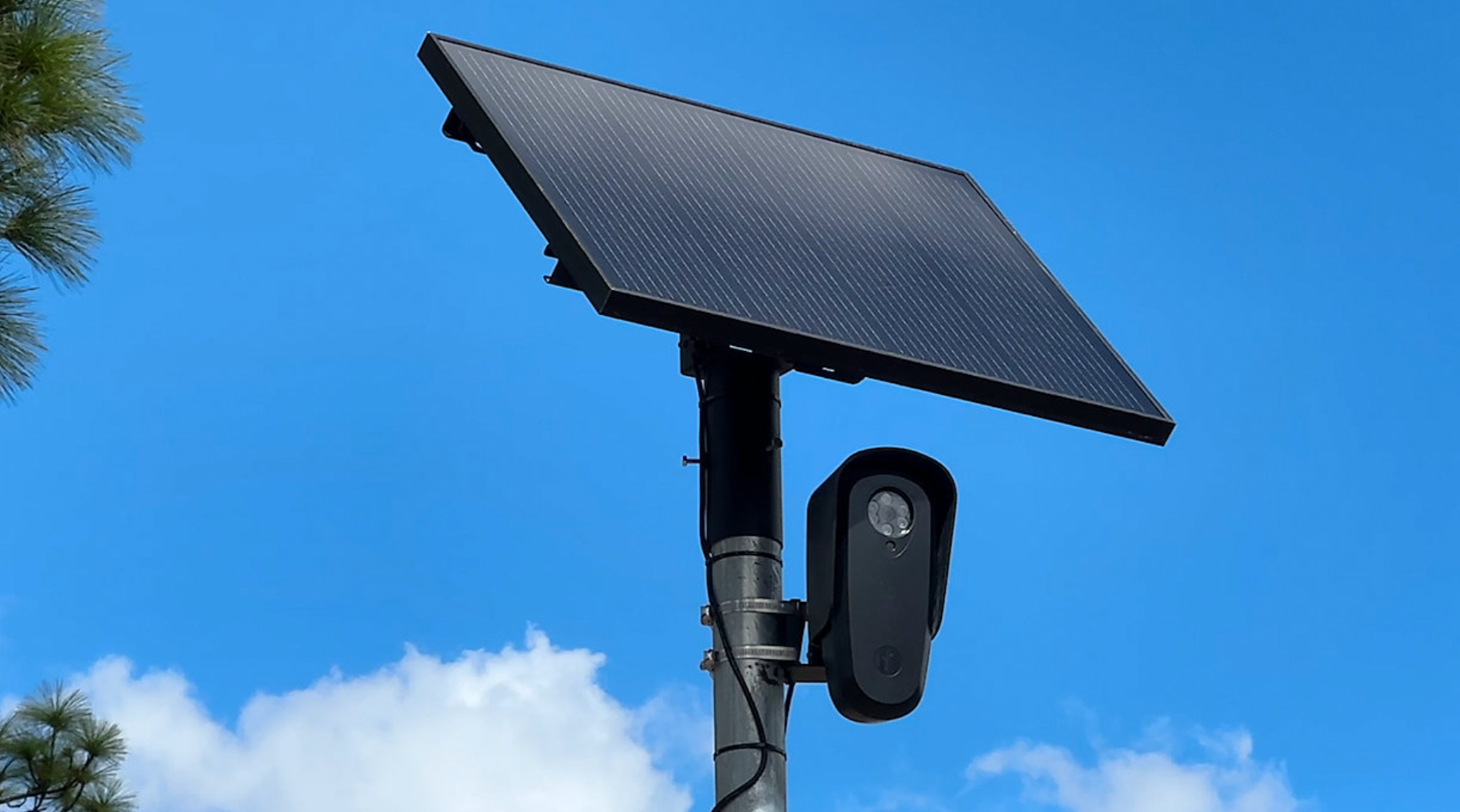
PALM BAY, Fla. — Palm Bay’s network of Flock license plate-reading cameras is back in operation after the city temporarily paused the system because required final inspections had not been requested following installation.
City officials said those inspections have now been completed and the system is in compliance with applicable requirements.
Palm Bay has 51 cameras installed throughout the city, including locations along Malabar Road. The cameras automatically capture license plate information that police can search as part of an investigation.
Palm Bay Police Chief Jeff Spears said officers primarily use the system to identify vehicles connected to crimes and locate missing or endangered people.
“Strictly locating vehicles involved in a crime, or missing people—we do find a lot of missing and elderly folks that have traveled across the state,” Spears said.
According to Spears, the department has policies and procedures intended to ensure the cameras are used lawfully. He acknowledged public concerns about potential misuse and data security but said the department considers the technology an important public-safety resource.
“I understand the concerns about the misuse. I understand the public’s concerns about data leaks, but for us here at my level, it’s about public safety and our officers having the right resources to solve crimes and locate people,” Spears said.
Potential Benefits of Flock Cameras
Supporters say license plate-reading cameras can help police identify vehicles connected to robberies, burglaries, stolen property and other crimes. The system can also assist officers in locating stolen vehicles and finding missing, elderly or endangered people more quickly.
Because the cameras record vehicle information automatically, investigators may be able to identify leads that would otherwise depend on witnesses or traditional surveillance footage.
Palm Bay resident Thomas Grand said he sees the system’s potential benefits. He recalled a friend whose boat was stolen and said Flock cameras might have helped identify the person responsible if the system had been operating at the time.
“It’s good and bad. You’ve got some bad things that could happen. I kind of look at it as a positive thing,” Grand said.
Privacy and Oversight Concerns
Critics of license plate-reading systems worry about how long information is stored, who can access it and whether it could be used to track people who are not suspected of committing a crime.
Although the cameras monitor vehicles traveling on public roads, the collected information could potentially reveal patterns about where people travel and when they visit certain locations. Data breaches, unauthorized searches and the sharing of information with outside agencies are also common concerns surrounding these systems.
Other concerns include inaccurate license plate matches and the possibility that officers could rely too heavily on automated alerts without independently confirming the information.
Palm Bay police currently retain license plate data for 30 days. Flock is now offering a seven-day retention option, and Spears said the department plans to test whether that shorter period provides enough time for investigators to use the information effectively.
“We’re set to do a trial period to see how that’s going to look,” Spears said.
A shorter retention period could reduce privacy risks by limiting how long vehicle information remains available. However, it could also prevent investigators from accessing records connected to crimes that are not reported or linked to a specific vehicle within seven days.
The city said it will continue training officers, monitoring the system and conducting audits. Clear access rules, regular reviews and transparency about how the information is used will likely remain central to the public discussion as the cameras return to service.
Workers were still uncovering some of the cameras as the city’s audit and inspection process concluded.