
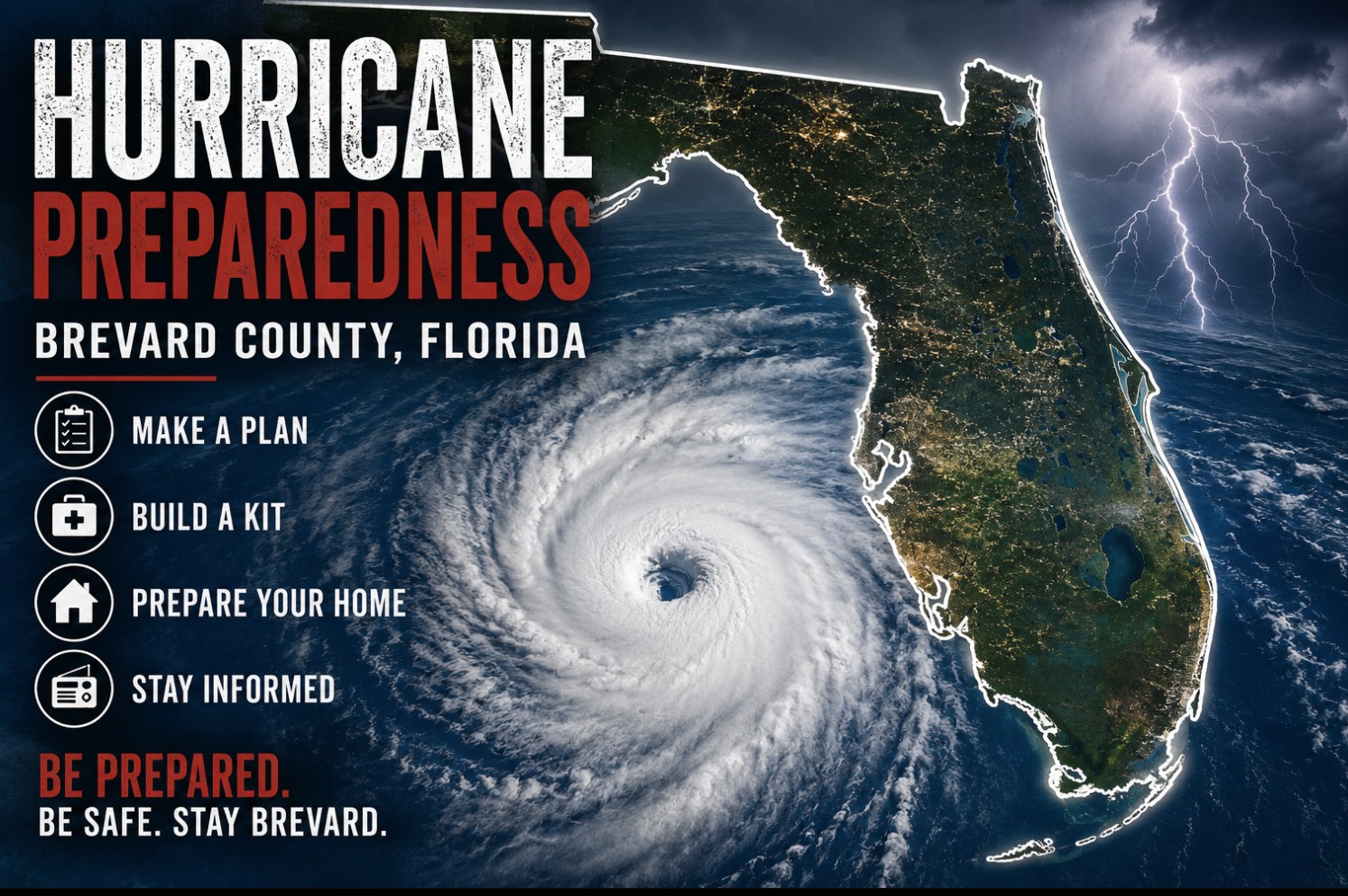
 BREVARD COUNTY, Fla. — While the 2026 Atlantic Hurricane Season has been quieter than many forecasters originally expected, emergency management officials continue to stress one important message: it only takes one storm to make it a dangerous season.
The Atlantic hurricane season runs from June 1 through November 30, with the historical peak occurring between mid-August and late October. Although several forecasting agencies have lowered their outlook for overall storm activity due to a strengthening El Niño pattern, Florida remains one of the most vulnerable states for tropical systems.
A Below-Average Forecast Doesn’t Mean You’re Safe
In its latest seasonal update, Colorado State University reduced its forecast to nine named storms, four hurricanes, and one major hurricane. Forecasters say increased wind shear associated with El Niño is expected to suppress tropical development across much of the Atlantic Basin.
However, meteorologists caution that seasonal forecasts only estimate the number of storms—not where they will make landfall.
“One hurricane striking Brevard County would make this an unforgettable season, regardless of how many storms form elsewhere,” emergency officials frequently remind residents.
Why Brevard County Should Always Be Prepared
From Titusville to Palm Bay, Melbourne, Cocoa, Merritt Island, and the beaches, Brevard County has experienced its share of tropical weather over the years.
The county faces several unique threats during hurricanes:
- Storm surge along the Atlantic coast and Indian River Lagoon
- Inland flooding from prolonged heavy rainfall
- Damaging winds capable of toppling trees and power lines
- Tornadoes spawned by outer rain bands
- Extended power outages during the hottest months of the year
Even weaker tropical storms can produce dangerous flooding and widespread disruptions.
Build Your Hurricane Kit Before You Need It
Emergency managers recommend every household have supplies to last at least seven days.
Your hurricane kit should include:
- One gallon of water per person, per day
- Non-perishable food
- Prescription medications
- Flashlights and extra batteries
- Battery-powered or hand-crank weather radio
- Portable phone chargers and power banks
- First aid supplies
- Pet food and supplies
- Important documents stored in waterproof containers
- Cash in small bills
If you rely on medical equipment requiring electricity, make backup plans now—not after a storm is approaching.
Know Your Evacuation Zone
One of the biggest mistakes residents make is assuming they know whether they should evacuate.
Officials recommend checking your evacuation zone before hurricane season reaches its peak. Barrier islands and low-lying coastal communities are often the first areas ordered to evacuate.
Residents should also identify multiple evacuation routes in case roads become congested.
Prepare Your Home
Simple preparations can significantly reduce storm damage.
Before a hurricane threatens Brevard County:
- Trim dead tree limbs.
- Bring patio furniture indoors.
- Clean gutters and storm drains.
- Test generators safely outdoors.
- Review insurance policies.
- Photograph your property for insurance records.
- Install hurricane shutters if available.
Stay Informed
During hurricane season, residents should closely monitor forecasts from trusted sources including the National Hurricane Center, the National Weather Service, and Brevard County Emergency Management.
Forecast tracks can change quickly, and watches or warnings may be issued with little notice.
The Bottom Line
Although 2026 is currently projected to be less active than average, history has repeatedly shown that it only takes one hurricane making landfall in Central Florida to cause catastrophic damage.
For Brevard County families, the best time to prepare is long before a storm appears on the forecast map. Having a plan, assembling emergency supplies, and staying informed can make all the difference when the next tropical system threatens Florida.
Remember: Don’t focus on how many storms are forecast this year. Focus on being ready for the one that could affect your family.